How to Improve Pipe Welding Workflow in Confined Installations
Posted on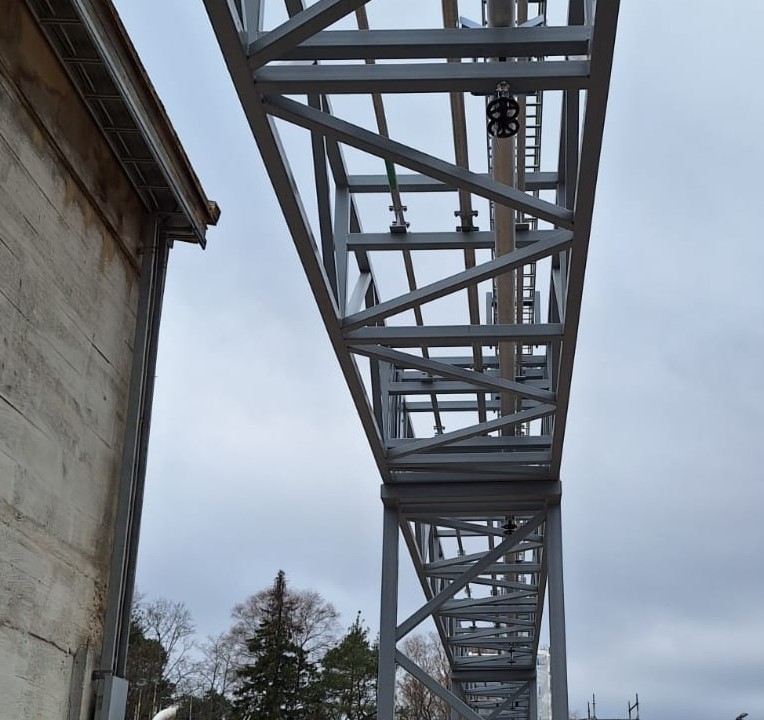
Pipe welding in confined spaces — such as inside pipe bridges or support structures — presents unique challenges. Unlike open workshop environments, these installations often require moving and rotating the pipe within a tight framework, which can slow down welding work and increase physical strain on welders.
In this article, we’ll explore practical strategies to improve workflow, safety, and efficiency when welding within confined installations like pipe bridges.
Unique Challenges of Welding Inside Pipe Bridges
- Limited space makes manual repositioning difficult
- Heavy pipes are hard to move and align manually
- Restricted access can lead to awkward welding positions
- Lack of optimal pipe rotation and movement slows progress
These issues can lead to inconsistent weld quality, slower workflows, and increased fatigue for welders.
Tools That Make Confined Welding Easier
In situations where pipe access is restricted — such as inside a pipe bridge — standard pipe stands may not be sufficient. That’s where specialized support tools for confined environments become valuable:
Key features to look for in confined welding support tools:
- Ability to move and rotate pipes without manual lifting
- Adjustable positioning that matches confined space constraints
- Stable support that ensures precise alignment during welding
Supporting Pipe Movement Inside Bridges
One tool designed specifically for this is the AMA® Pipe Bridge Stand. Unlike traditional pipe stands, this solution attaches securely to the beams of a pipe bridge and lifts the pipe above the brackets so it can roll smoothly on stainless steel ball rollers.

How it helps welders:
- The pipe is raised and supported above bridge brackets
- Welders can push and rotate the pipe easily while working
- The stand can be adjusted with a handwheel for precise positioning
- Pipes stay stable and aligned without manual holding
The AMA Pipe Bridge Stand supports a wide range of pipe diameters and is compatible with bridge beams of varying thicknesses, making it a versatile choice for tight installations.
Benefits of Better Pipe Movement in Confined Welding
Supporting and moving pipes easily inside a confined setup leads to:
- Improved weld quality due to consistent positioning
- Reduced physical strain and less manual handling
- Faster workflow with smoother pipe rotation
- Enhanced safety, especially in elevated or restricted spaces
Whether you’re working in fabrication shops or on construction sites, improving pipe movement can make a noticeable difference in productivity and worker comfort.
Best Practices for Confined Welding Setups
Here are practical steps to get the most out of your welding workflow in confined environments:
- Plan pipe access routes before setting up alignment tools.
- Use adjustable supports and rollers to enable movement.
- Secure attachments (like safety straps on pipe bridge stands) to prevent slips.
- Combine tools, such as rollers and bridge stands, for optimal efficiency.
These steps help ensure that welding inside confined spaces is not only safer but also more predictable and efficient.
Conclusion
Welding inside confined spaces like pipe bridges doesn’t have to be slow or ergonomically challenging. By using support tools designed for movement and accessibility — such as the AMA® Pipe Bridge Stand — welders can achieve smoother workflow, better weld quality, and greater safety even in restricted environments.