What does a pipe purge kit do in stainless steel welding?
Posted onOxygen ruins stainless steel root welds from the inside — discover how a pipe purge kit prevents costly sugaring.
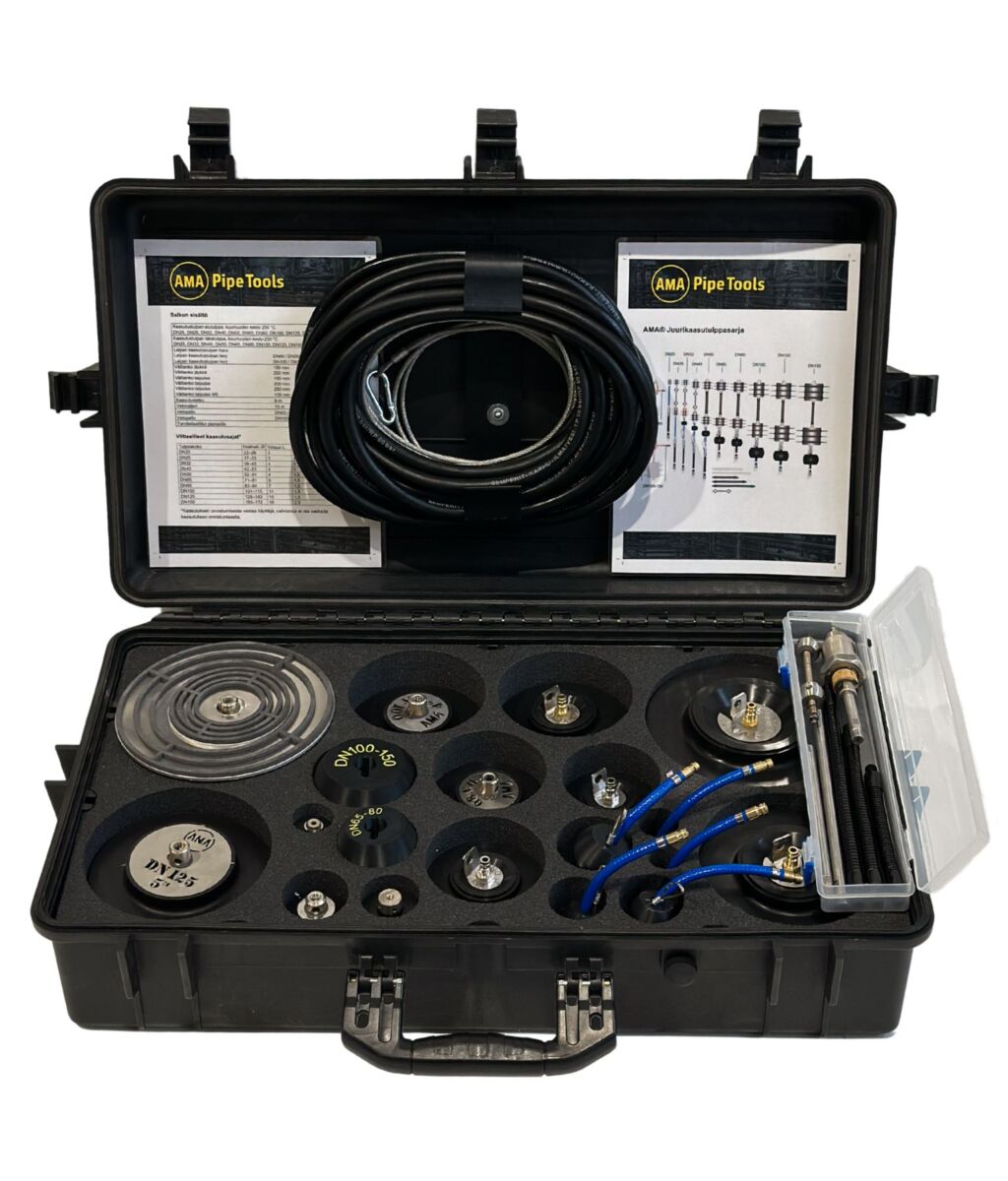
When you weld stainless steel pipe, the quality of the root pass determines everything that follows. One factor that welders and project managers often underestimate is what happens on the inside of the pipe during that root pass. Without proper back purging, oxygen attacks the weld from the inside out, and no amount of skill on the torch side can fix that. A pipe purge kit is the tool that controls this process, and understanding how it works helps you make better decisions on every stainless steel welding job.
This article walks through the science behind oxidation in stainless steel welding, explains what a pipe purge kit actually does inside a joint, and covers the practical factors that separate a solid purging setup from one that causes problems. Whether you are a welder, a site supervisor, or a project manager sourcing tools for your team, this is the information you need to get root welds right.
How oxidation undermines stainless steel weld quality
Stainless steel gets its corrosion resistance from chromium. When chromium is exposed to high heat in the presence of oxygen, it reacts to form chromium oxide, a process known as oxidation or “sugaring.” This happens on the outer surface of the weld if shielding gas coverage is poor, but it is especially damaging on the inner surface of the root pass, where the molten pool is directly exposed to the atmosphere inside the pipe.
A sugared root weld is not just visually poor. The chromium-depleted zone around the weld bead loses its passive layer, which means it becomes vulnerable to corrosion. In process industry piping, this is a serious problem. Pipes carrying chemicals, food products, or pharmaceutical fluids cannot tolerate a compromised inner surface. The weld may pass visual inspection from the outside and still fail in service because the inside was never protected during welding.
The threshold for oxidation in stainless steel is low. Residual oxygen levels above roughly 100 parts per million in the purge zone are enough to cause visible discoloration and surface degradation. Getting oxygen levels down to an acceptable range before striking the arc is not optional on quality-critical work. It is the baseline requirement.
What a pipe purge kit actually does inside a weld joint
A pipe purge kit isolates a small section of the pipe interior around the weld joint and fills that isolated zone with inert gas, typically argon. By creating a sealed purge chamber directly behind the root, you displace the oxygen in exactly the area where it can cause damage. This is called back purging or weld purging, and it is standard practice for TIG welding stainless steel pipe.
The key to an effective purge is the seal. If the purge plugs do not seal tightly against the pipe wall, inert gas leaks past them and you never achieve a low enough oxygen level in the weld zone. This is why the design of the plugs matters significantly. The AMA Pipe Purge Kit uses triple silicone discs on each plug to form an airtight seal. The kit covers a wide range of pipe sizes, from DN20 up to DN150, making it suitable for both small-diameter instrumentation lines and larger process pipework. The triple-disc design also allows individual discs to be replaced when they wear, rather than replacing the entire plug assembly.
How the purge zone works in practice
- One plug is inserted on each side of the weld joint, creating an isolated chamber between them
- Inert gas flows in through an inlet port and purges the oxygen out through an outlet port
- You monitor oxygen levels with a purge monitor until the concentration drops to an acceptable level
- Welding begins only after the purge zone is confirmed clean
- The plugs remain in place throughout the root pass to maintain the inert atmosphere
By limiting the purge volume to the zone between the two plugs rather than filling the entire pipe, you reduce both the amount of argon you consume and the time you spend waiting for the oxygen level to drop. On longer pipe runs, this saving in gas and time adds up quickly across a project.
Key factors in selecting the right purging approach
Pipe diameter and material are the starting points. Larger diameters mean larger purge volumes, which affects both gas consumption and purge time. The pipe material determines how sensitive the weld is to oxidation. Duplex stainless steels and high-alloy grades are more demanding than standard 304 or 316, and they benefit from tighter oxygen control.
Factors to evaluate when choosing a purging setup
- Pipe diameter range: Make sure the kit covers the sizes you work with most often
- Seal reliability: Plugs must hold a consistent seal under the heat and vibration of active welding
- Pipe bends: If you are purging through bends, you need a way to pull plugs through without damaging the seals. Pulling balls make this significantly easier
- Flange connections: Flange welds require a different plug configuration. A kit that includes a flange welding set covers more of the work you encounter on real jobs
- Gas consumption: Smaller purge volumes between plugs mean less argon used per weld, which matters on large projects
Portability is also worth considering, especially for site work. A well-organized carry case that holds all plug sizes, pulling balls, and the flange kit in one place saves time when moving between joints and reduces the chance of leaving a component behind on a busy site.
Common purging mistakes that compromise root welds
One of the most common mistakes is starting to weld before the purge zone has actually reached a low enough oxygen level. Welders sometimes estimate purge readiness based on time alone, without measuring. Argon is heavier than air and displaces it gradually, but the rate depends on the purge volume, the flow rate, and how well the plugs are sealing. Guessing is not reliable. Using an oxygen monitor removes the uncertainty entirely.
Another frequent problem is placing the plugs too far from the weld joint. A larger purge volume takes longer to purge and uses more gas. Placing plugs as close to the joint as the design allows keeps the purge zone tight and efficient. On the other hand, placing them too close to the heat can damage the seals, so you need to follow the manufacturer’s guidance on the minimum safe distance from the arc.
Leaking connections are also a regular source of failure. Every fitting between the gas supply and the purge zone is a potential leak point. Checking connections before you start and monitoring gas flow during welding catches problems before they affect the weld. A drop in flow rate or a sudden rise in oxygen readings during welding often points to a connection that has worked loose.
What professional-grade purging equipment looks like
Professional pipe purging equipment is designed around the real conditions of industrial pipe welding, not ideal laboratory conditions. That means plugs that seal reliably across a range of pipe tolerances, materials that handle the heat near an active weld without deforming, and a system that is practical to set up and break down repeatedly across a full working day.
Heat resistance is a concrete specification to check. Silicone plugs rated to 300°C can safely remain in position during TIG welding of stainless steel without degrading or losing their seal. Plugs with lower heat resistance may deform near the weld zone, compromising the purge at the moment it matters most.
A complete kit also accounts for the variety of joints you encounter in real projects. Standard butt welds between straight pipe sections are straightforward, but flanged connections, pipe bends, and varying wall thicknesses all require different handling. A kit that includes flange welding plugs, pulling balls for navigating bends, and a range of sizes from DN20 to DN150 covers the majority of joints in typical process piping work without needing additional purchases for most jobs.
Serviceability is another mark of professional equipment. Individual silicone discs that can be replaced separately from the full plug assembly extend the working life of the kit significantly and reduce the ongoing cost of keeping it in good condition.
See the full AMA Pipe Purge Kit specifications and contents
Back purging is not a complicated process, but it does require the right equipment and the discipline to do it correctly every time. Stainless steel pipe welding in process industries demands root welds that are clean, corrosion-resistant, and consistent. A reliable pipe purge kit makes that achievable on every joint, not just when conditions happen to be ideal.
We design and manufacture pipe welding tools at our facility in Oulu, Finland, with a focus on professional use in industrial environments. Our products are available through authorized dealers across the Nordic countries and wider Europe. Find your nearest dealer to get the right tools for your next project.
If you have questions about which purging setup fits your work, get in touch with us directly and we will help you find the right solution.