How does a pipe purge kit improve weld quality?
Posted onOxidation ruins weld roots — discover how pipe purge kits protect quality, reduce gas use, and meet inspection standards.
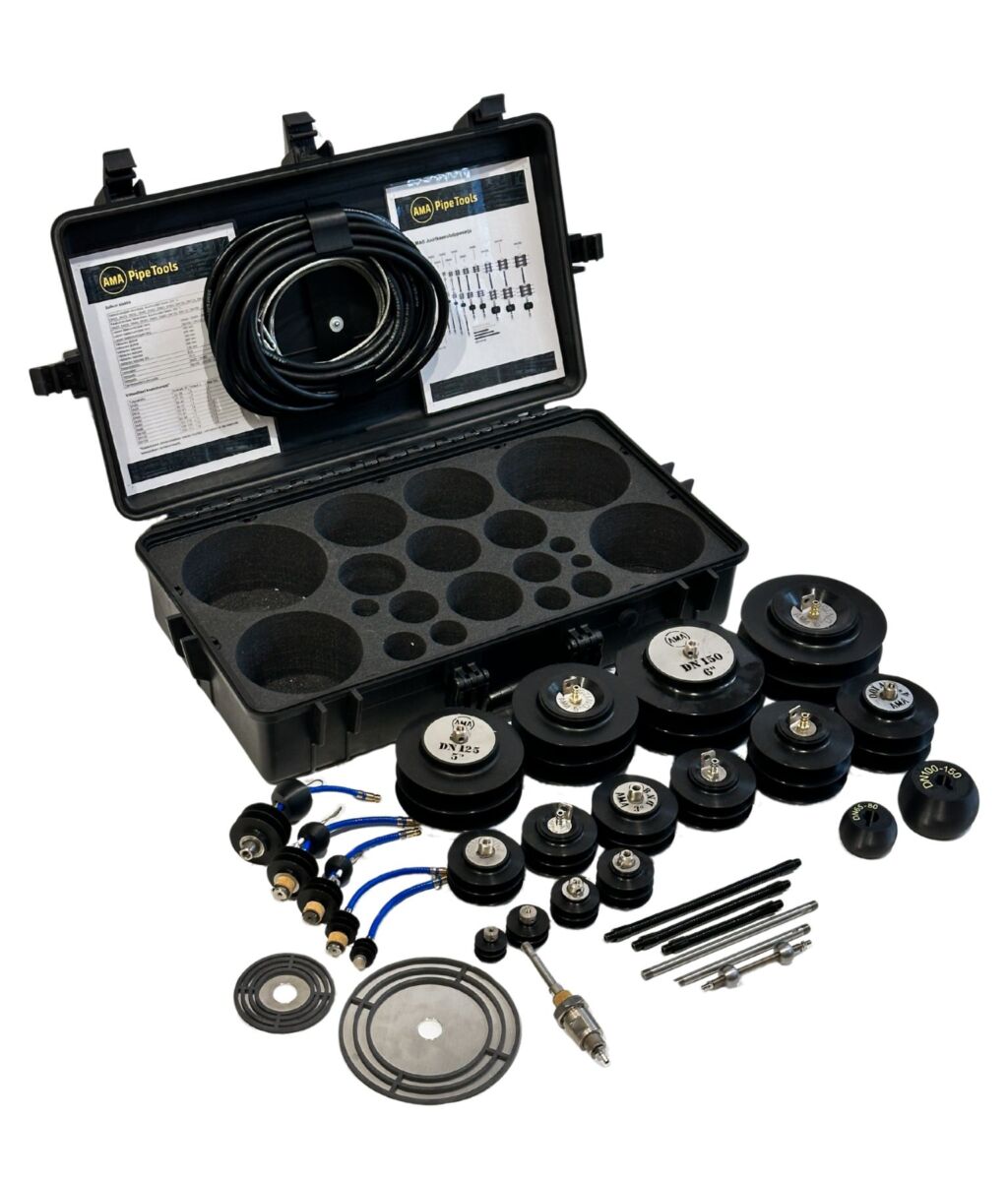
A pipe purge kit improves weld quality by displacing oxygen from inside the pipe before and during welding, preventing oxidation at the weld root. Without this protection, the back side of the weld is exposed to atmospheric oxygen, which causes contamination that weakens the joint and can lead to corrosion. Below, we answer the most common questions welders and project managers ask about purge welding.
What happens inside a pipe when welding without purging?
When you weld a pipe without purging, the heat from the arc causes the oxygen inside the pipe to react with the molten metal at the weld root. This produces oxidation, also called sugaring or an oxidised weld root, which creates a rough, porous surface on the inside of the joint. The result is a structurally weaker weld that is also far more susceptible to corrosion over time.
The problem is especially visible after the weld cools. The inner surface of the joint shows a dark, granular texture instead of a clean, smooth bead. In process piping, this rough surface can trap particles, bacteria, or corrosive media, which creates long-term reliability problems. For stainless steel and other reactive alloys, even brief exposure to oxygen at welding temperatures is enough to degrade the chromium oxide layer that gives the material its corrosion resistance.
In short, skipping the purge does not just affect appearance. It affects the mechanical integrity and service life of the entire pipe joint.
How does a pipe purge kit remove oxygen from the weld zone?
A pipe purge kit works by sealing a short section of pipe around the weld joint and then filling that sealed zone with an inert shielding gas, typically argon. The plugs create an airtight barrier on both sides of the weld, which isolates the weld root from the rest of the pipe interior. Inert gas is fed in through an inlet, pushes the oxygen out through an outlet, and maintains a protective atmosphere during the entire welding process.
The key advantage of using dedicated purge plugs rather than improvised methods is the seal quality and the efficiency of gas use. The AMA Pipe Purge Kit uses triple silicone discs to form an airtight seal, which means you only need to fill a small, controlled volume rather than purging the entire pipe length. This reduces both the amount of inert gas used and the time needed to reach an oxygen level low enough for welding to begin.
Once the purge is established, the inert gas atmosphere is maintained throughout the weld pass, protecting the root bead until it has fully solidified and cooled below the temperature at which oxidation can occur.
Which pipe materials benefit most from weld purging?
Stainless steel, duplex stainless steel, and titanium benefit most from weld purging. These materials are highly reactive at welding temperatures, and even small amounts of oxygen at the weld root cause significant metallurgical damage. For stainless steel in particular, oxidation destroys the passive chromium oxide layer, which reduces corrosion resistance in exactly the location where the pipe is most vulnerable.
- Austenitic stainless steel (e.g. 304, 316): The most common material requiring purge welding. Oxidation at the root produces sugaring that compromises both strength and hygiene.
- Duplex and super duplex stainless steel: Even more sensitive than austenitic grades. Oxidation can affect the phase balance of the material, which changes its mechanical properties.
- Titanium and titanium alloys: Extremely reactive. Purging is always required, and oxygen levels must be kept very low before welding begins.
- Nickel alloys: Used in high-temperature and corrosive process environments. Purging protects the weld root from contamination that would otherwise cause premature failure.
- Carbon steel in critical applications: While carbon steel is less reactive, back purging is still used in some high-pressure or high-purity systems to achieve a clean, smooth root bead.
If your application involves food processing, pharmaceuticals, chemical processing, or offshore pipework, purge welding is not optional. It is the standard practice for achieving welds that meet inspection and service requirements.
What are the signs of a poor-quality weld root caused by oxidation?
The most visible sign of oxidation at the weld root is sugaring, a rough, granular, dark surface on the inside of the pipe at the weld zone. Instead of a smooth, slightly convex root bead, you see a texture that looks like brown or black sugar crystals. This is a clear indicator that oxygen was present during welding and that the weld root has been compromised.
Other signs to look for include:
- Discolouration beyond gold or light straw: A small amount of heat tint on stainless steel is acceptable, but dark blue, grey, or black colouration indicates excessive oxidation and loss of corrosion resistance.
- Porosity in the root bead: Small holes or pits in the weld surface, often caused by gas entrapment linked to oxidation reactions during solidification.
- Irregular root profile: An uneven, lumpy, or recessed root bead can indicate that oxidation interfered with the flow of molten metal.
- Failed visual or dye penetrant inspection: Oxidised weld roots frequently fail standard inspection criteria for process piping, requiring costly rework or replacement.
In practice, a weld root that shows sugaring will almost always fail inspection in any regulated industry. Identifying these signs early, before the pipe is installed, saves significant time and cost compared to discovering problems during pressure testing or in-service inspection.
How do you choose the right purge kit for a pipe diameter?
You choose a purge kit based on the pipe’s nominal diameter, ensuring the purge plugs can form a reliable seal inside the pipe bore. Most professional purge kits cover a range of standard pipe sizes, so the first step is matching the kit’s plug sizes to the pipe dimensions you work with most often.
The AMA Pipe Purge Kit covers pipe sizes from DN20 (3/4 inch) to DN150 (6 inch) with silicone purge plugs, and the carry case also includes a flange welding kit for DN40 (1.5 inch) to DN150 (6 inch). For larger pipes, the AMA DN200 complete plug set is available as an accessory. This range covers the vast majority of process piping work across industrial and commercial applications.
A few practical factors to consider when choosing:
- Pipe diameter range: Make sure the kit covers all the sizes you regularly weld, not just your most common size.
- Seal type: Triple silicone disc seals, like those in the AMA kit, provide a reliable airtight seal and allow individual discs to be replaced when worn, which reduces running costs.
- Pulling balls: If you work with pipe bends and elbows, look for a kit that includes pulling balls to help feed plugs through curved sections.
- Heat resistance: Check the temperature rating of the plugs, especially if you work with materials that require higher preheat or interpass temperatures. The AMA kit is rated to 300 degrees Celsius.
- Portability: A carry case with organised storage makes it faster to set up and reduces the risk of losing components on site.
When should back purging be used on site versus in a workshop?
Back purging should be used whenever you are welding reactive materials such as stainless steel, duplex, or titanium, regardless of whether you are working on site or in a prefabrication workshop. The material and the application determine whether purging is needed, not the location. However, the way you set up and manage the purge process does differ between the two environments.
Back purging in a prefabrication workshop
In a workshop, you have more control over the welding environment. Pipe assemblies are prepared in advance, which means you can plan purge setups carefully, position purge plugs before the pipe is moved into place, and monitor gas flow without time pressure. Workshop conditions also make it easier to check oxygen levels with a purge monitor before starting the weld. The controlled environment means less risk of gas disturbance from wind or drafts, and purging times are more predictable.
Back purging on site
On site, conditions are less predictable. Wind, confined spaces, and awkward access points all make purge setup more challenging. Using a well-designed purge kit with reliable seals is even more important in the field, because a poor seal wastes gas and extends purging time. Pulling balls become particularly useful when you need to position plugs through bends or fittings that are already part of a fixed pipe run. Good preparation before starting the weld, including verifying the seal and confirming adequate gas flow, is the most important step in achieving a clean weld root on site.
In both settings, the goal is the same: establish a stable inert atmosphere at the weld root before striking the arc and maintain it until the weld has cooled sufficiently. The tools and techniques are the same; only the setup conditions change.
Pipe purging is one of the most straightforward ways to protect weld quality in process piping work. When you use the right purge kit for your pipe size, seal the zone properly, and maintain inert gas coverage throughout the weld, you get a clean root bead that meets inspection requirements and performs reliably in service. At Welner, we design and manufacture the AMA Pipe Purge Kit and a full range of pipe handling tools for professional welding work, from pipe stands and rotators to centering collars. All our products are made in Finland and developed with direct input from the welders and project teams who use them. Find your nearest stockist on our authorized dealers page, or contact us directly if you have questions about which products fit your application.