How does a pipe purge kit improve weld consistency?
Posted onDiscover how pipe purge kits prevent weld root oxidation, reduce rework, and deliver consistent results across all pipe materials.
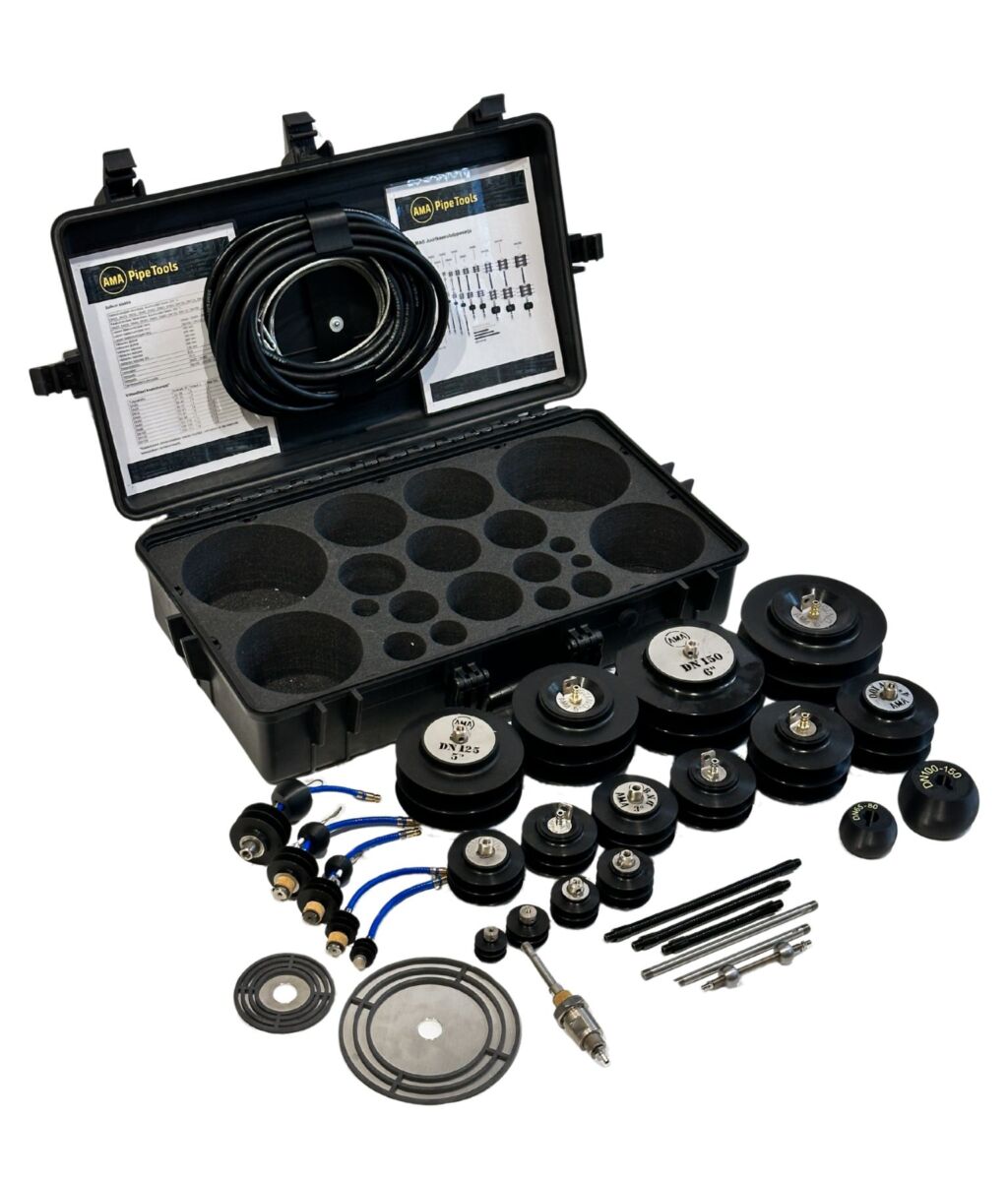
A pipe purge kit improves weld consistency by displacing oxygen from inside the pipe before and during welding, which prevents oxidation at the weld root. Without this protection, the back side of the weld is exposed to air, causing porosity, discolouration, and structural weakness. The sections below answer the most common questions about how purging works, what kit to choose, and how to set one up correctly.
What happens inside a pipe during welding without purging?
When you weld a pipe without back purging, the inside of the pipe is full of atmospheric air. The intense heat from welding causes the oxygen in that air to react with the molten weld pool at the root, producing oxides and sugaring on the inner weld surface. The result is a rough, porous, and structurally compromised root pass that can fail under pressure or corrode prematurely.
This is especially damaging when welding stainless steel, duplex, or other corrosion-resistant alloys. On these materials, even a small amount of oxidation at the root destroys the passive layer that gives the material its corrosion resistance. In process piping for the food, pharmaceutical, or chemical industries, a sugared root weld is not just a quality issue. It is a contamination risk and a reason to reject the entire joint.
For carbon steel pipes in lower-stakes applications, the consequences are less severe but still real. Porosity weakens the weld, and in pressurised systems this matters. Back purging is not just a best practice for premium materials. It is a practical step that protects the integrity of any pipe weld where the root is inaccessible for grinding or repair.
How does a pipe purge kit remove oxygen from the weld zone?
A pipe purge kit removes oxygen by sealing off a short section of the pipe around the weld joint and then flowing inert gas, typically argon, into that isolated zone until the oxygen concentration drops to an acceptable level. The plugs create an airtight chamber so that the inert gas replaces the air efficiently rather than dispersing through the entire pipe length.
The key mechanism is displacement. Argon is heavier than air and flows into the sealed zone through an inlet, pushing air out through an outlet on the other side. Because the volume is kept small by positioning the plugs close to the weld joint, the amount of gas needed and the time required are both significantly reduced compared to flooding the whole pipe.
Once the oxygen level in the purge zone drops below the acceptable threshold, welding begins. The inert gas continues to flow at a low rate throughout the weld to maintain protection as the joint is completed pass by pass. The plugs stay in place until the pipe has cooled enough that oxidation is no longer a risk.
What types of pipe purge kits are available?
Pipe purge kits are available in several configurations depending on pipe size, application, and how frequently you use them. The main types are inflatable plug systems, foam plug systems, and rigid silicone plug systems. Each has different strengths in terms of sealing reliability, reusability, and ease of use.
Inflatable plug systems
Inflatable purge plugs use air or gas pressure to expand a bladder against the pipe wall, forming a seal. They are flexible across a range of diameters and work well in larger pipes. The downside is that they add a setup step and can be slower to deploy than pre-sized rigid plugs.
Rigid silicone plug systems
Rigid silicone plugs, like the AMA Pipe Purge Kit, use triple silicone discs to form an airtight seal against the pipe wall. These plugs are size-specific, which makes them fast to insert and reliable in terms of sealing. The AMA kit covers pipe sizes from DN20 (3/4 inch) to DN150 (6 inch) and includes a flange welding kit for DN40 to DN150. The individual silicone discs can be replaced separately, which keeps long-term running costs low. Pulling balls are included to help draw the plugs through bends in the pipe.
For pipes up to DN200, the AMA DN200 Complete Plug accessory extends the range. The kit is built for professional workshop and site use, with a carry case and heat resistance up to 300 degrees Celsius.
What oxygen level is acceptable for a quality weld?
For most stainless steel and corrosion-resistant alloy pipe welds, the oxygen level inside the purge zone should be below 100 parts per million (ppm) before welding begins. For critical applications such as pharmaceutical, semiconductor, or food-grade pipework, many specifications require oxygen levels below 50 ppm or even lower. Carbon steel applications are generally more tolerant but still benefit from purging in pressurised systems.
You measure oxygen concentration with a dedicated oxygen analyser connected to the outlet of the purge zone. Welding before the target level is reached is one of the most common causes of inconsistent weld quality even when a purge kit is being used. The purging time needed to reach the target level depends on the volume of the sealed zone, the gas flow rate, and how well the plugs seal.
Monitoring oxygen levels throughout the weld is also good practice. If a plug shifts or a seal leaks during welding, the oxygen concentration will rise and the weld root will be compromised. A continuous reading lets you catch this before it affects the finished joint.
When should a purge kit be used versus other back-purging methods?
A pipe purge kit is the right choice when you need a repeatable, efficient purge on a production weld or when you are working on a pipe system where flooding the entire pipe with gas is impractical or too costly. Purge kits isolate just the weld zone, so gas consumption is a fraction of what full-pipe flooding requires. They are the standard choice for most professional pipe welding in prefabrication workshops and on site.
Full-pipe flooding, where you cap both ends and fill the entire pipe with inert gas, works well for short pipe spools with a single weld but becomes expensive and slow for longer runs. It is sometimes used in prefabrication when the spool is short enough that the gas volume stays manageable.
Backing tape or ceramic backing is an option for some carbon steel applications where the weld root appearance is less critical. These methods do not provide the same level of oxidation protection as a gas purge and are not suitable for stainless steel or alloy pipe welding where root quality and corrosion resistance are requirements.
Purge plugs are also preferable to improvised methods such as paper or cardboard inserts, which burn during welding and can contaminate the weld or create a fire hazard. A proper silicone purge kit is reusable, reliable, and heat-resistant in a way that improvised solutions are not.
How do you set up a pipe purge kit correctly?
Setting up a pipe purge kit correctly takes only a few minutes when you follow a consistent process. The goal is to create a small, well-sealed gas chamber around the weld joint so that inert gas can displace oxygen efficiently.
- Select the right plug size for your pipe diameter. The plug must match the pipe’s internal diameter closely to form a reliable seal. With the AMA Pipe Purge Kit, plugs are sized to DN dimensions, so matching them to your pipe is straightforward.
- Position the inlet plug upstream of the weld joint and the outlet plug downstream. Place them close to the joint to keep the purge volume small. A smaller volume means faster purging and less gas used.
- Use pulling balls if needed to draw plugs through bends or longer sections of pipe where you cannot push them by hand.
- Connect the inert gas supply to the inlet fitting. Set the flow rate according to the pipe diameter and the purge volume. Higher flow rates speed up initial purging but can be reduced once you approach the target oxygen level.
- Monitor the oxygen level at the outlet with an oxygen analyser. Do not start welding until the reading is at or below your specification limit.
- Maintain low gas flow during welding to keep the zone protected as you complete each pass. Check that the plugs have not shifted during the weld.
- Remove the plugs after the pipe has cooled sufficiently. Inspect the silicone discs and replace any that show wear. With the AMA kit, each disc can be replaced individually, so you do not need to replace the whole plug assembly.
A consistent setup routine reduces variability between welders and between jobs. When everyone on a team follows the same steps, the quality of the root pass becomes predictable rather than dependent on individual habits.
Want to see the full product details and specifications?
Read more about the AMA Pipe Purge Kit
Pipe purging is one of the most direct ways to improve root weld quality and reduce rework in any pipe welding operation, whether you are working in a prefabrication workshop or on a process piping installation site. A reliable purge kit removes the guesswork, cuts gas consumption, and gives you a consistent, repeatable result across all pipe sizes and materials.
We design and manufacture AMA pipe welding tools in Finland, with a focus on tools that make professional pipe welding faster, more consistent, and easier to manage. Our product range covers everything from purge kits and pipe stands to pipe rotators and centering collars, all built to the same quality standard.
If you are ready to improve your pipe welding setup, find your nearest authorised AMA dealer and get hands-on advice for your specific application. You can also contact us directly if you have questions about which products are right for your work.