What welding defects can a pipe purge kit help prevent?
Posted onSkipping back purging destroys weld quality — discover which defects a pipe purge kit prevents and why it matters.
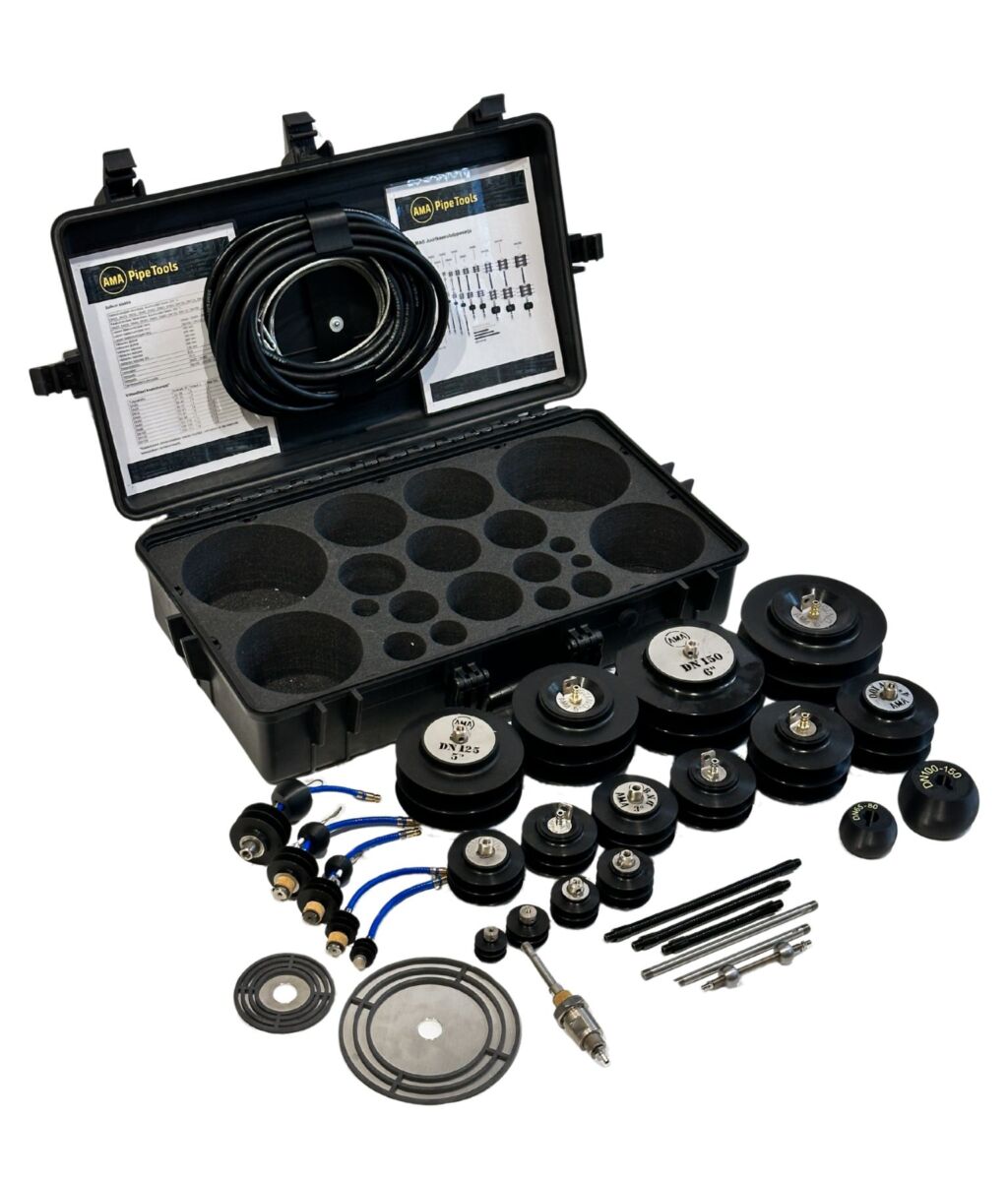
A pipe purge kit helps prevent oxidation-related welding defects at the weld root, including porosity, sugaring, and lack of fusion. These defects form when oxygen comes into contact with the molten weld pool on the inside of the pipe during welding. The sections below break down exactly which defects back purging prevents, what happens without it, and which pipe materials and situations require a purge kit.
Which welding defects does back purging specifically prevent?
Back purging prevents oxidation defects at the weld root: primarily sugaring (oxidation discoloration), porosity, and incomplete fusion. These defects all share the same root cause – oxygen reacting with the molten metal on the inside of the pipe during the welding process. By displacing oxygen with an inert shielding gas, back purging eliminates the conditions that allow these defects to form.
Here is a breakdown of the specific defects that back purging addresses:
- Sugaring (oxidation): A rough, granular surface on the weld root caused by chromium oxidation. Common in stainless steel and duplex pipes, it weakens the joint and creates crevices where corrosion can start.
- Porosity: Gas pockets trapped in the solidified weld metal. Oxygen and other atmospheric gases react with the weld pool and produce gas that cannot escape before the metal solidifies.
- Lack of fusion: Oxygen contamination can interfere with the weld pool’s ability to bond properly with the base metal, leading to incomplete fusion at the root.
- Weld root contamination: Even where structural integrity appears intact, oxygen exposure can introduce impurities that compromise corrosion resistance and long-term performance.
In process piping applications, any of these defects can lead to costly failures, rework, or rejected welds during inspection. Preventing them at the source is far more efficient than repairing them after the fact.
What happens to a weld if oxygen is not purged from the pipe?
If oxygen is not removed from the inside of the pipe before and during welding, the weld root oxidizes as soon as the molten metal is exposed to the atmosphere inside the pipe. The result is a discolored, rough, and structurally compromised root bead that fails to meet quality standards for most process piping applications.
The visible sign most welders recognize immediately is sugaring: a dark, rough, crystalline surface on the inside of the weld. In stainless steel, this happens because chromium – the element responsible for corrosion resistance – reacts with oxygen at high temperatures and forms chromium oxide. Once that happens, the corrosion-resistant properties of the steel are locally destroyed, even if the weld looks acceptable from the outside.
Beyond the visible damage, oxygen contamination can introduce porosity and micro-cracking that may not be visible to the naked eye but will show up under radiographic or ultrasonic inspection. In industries like oil and gas, food processing, pharmaceutical manufacturing, and district heating, welds that fail inspection mean downtime, rework costs, and potential safety risks.
The bottom line: skipping back purging on materials that require it does not save time. It typically creates far more work when the weld fails quality control.
How does a pipe purge kit work to protect the weld root?
A pipe purge kit works by sealing off a small section of the pipe interior around the weld joint and filling that isolated zone with inert gas – typically argon – before and during welding. This removes oxygen from the area directly behind the weld root, so the molten metal solidifies in an oxygen-free environment and avoids oxidation damage.
Sealing the purge zone
The kit uses inflatable or silicone plugs placed on either side of the weld joint inside the pipe. These plugs create an airtight seal that isolates a small internal volume around the joint. Rather than filling the entire pipe with inert gas – which wastes significant amounts of gas and takes a long time – the purge kit concentrates the shielding gas exactly where it is needed.
Purging and maintaining the gas atmosphere
Inert gas flows into the sealed zone through an inlet connection, displacing the oxygen-containing air. Once the oxygen level inside the zone drops to an acceptable threshold (typically below 0.1% for stainless steel), welding can begin. The gas continues to flow throughout the weld to maintain the inert atmosphere as the root bead solidifies.
The AMA Pipe Purge Kit uses triple silicone discs to form an airtight seal and covers pipe sizes from DN20 (3/4″) to DN150 (6″), with pulling balls included to help position the plugs through bends. The kit also includes a flange welding set for DN40 to DN150. Because each silicone seal can be replaced individually, the kit remains cost-effective over time without needing to replace the entire plug assembly.
Want to see the full product details?
Read more about the AMA Pipe Purge Kit
What materials and pipe types require a purge kit?
Stainless steel, duplex stainless steel, and titanium pipes require back purging in almost every welding application. These materials are highly sensitive to oxygen at welding temperatures, and even brief exposure causes oxidation that degrades corrosion resistance and weld quality. Carbon steel pipes generally do not require back purging, though some high-specification applications may still call for it.
Here is a practical overview of which materials and situations call for a pipe purge kit:
- Austenitic stainless steel (e.g. 304, 316): Requires back purging for all TIG/GTAW root passes. Oxygen causes chromium depletion and sugaring that cannot be corrected without grinding out and re-welding the root.
- Duplex and super duplex stainless steel: Even more sensitive than standard stainless. Back purging is mandatory, and oxygen levels must be kept very low to maintain the material’s mechanical properties.
- Titanium: Extremely reactive with oxygen at elevated temperatures. Back purging is always required, and the purge zone often needs to be larger than for stainless steel.
- Nickel alloys and high-alloy steels: Typically require back purging depending on the specific alloy and application standard.
- Carbon and low-alloy steel: Generally do not require back purging for standard applications, but some project specifications or quality standards may still require it.
The pipe size itself does not determine whether purging is needed – the material and application standard do. Purge kits are available for a wide range of pipe diameters, from small-bore instrument lines to larger process pipes, making them relevant for both prefabrication workshops and on-site installation work.
Can welding defects from poor purging be repaired?
Yes, welding defects caused by poor or absent back purging can be repaired, but the process is time-consuming, costly, and not always straightforward. In most cases, repair means grinding or cutting out the defective root bead and re-welding – this time with proper back purging in place. Simply re-welding over a contaminated root without removing it will not fix the underlying defect.
The challenge with oxidation-related defects like sugaring is that they affect the material at a metallurgical level. In stainless steel, chromium oxide forms at the grain boundaries, and this cannot be reversed by heat treatment or surface cleaning alone. The affected metal must be physically removed before a sound weld can be made.
For porosity, the repair approach depends on the depth and extent of the porosity. Surface porosity in a cap pass may be ground out and re-welded relatively easily. Root porosity is more serious and typically requires full root removal and re-welding, which in a completed pipe system may mean cutting out a section of pipe entirely.
In practical terms, the cost of repairing a failed weld – including inspection, grinding, re-welding, post-weld treatment, and re-inspection – almost always exceeds the cost of using a pipe purge kit correctly from the start. For welds in critical service applications such as food-grade, pharmaceutical, or high-pressure process piping, repairs may also require additional documentation, re-qualification, and project delays.
The most effective approach is always prevention: use the right purge equipment, verify oxygen levels before welding, and maintain the purge throughout the weld. It is faster, cheaper, and far less stressful than dealing with failed inspection results.
At Welner Oy, we design and manufacture pipe welding tools specifically for professionals who need reliable results on every weld. Our AMA product range covers pipe handling, positioning, and purging equipment for all common pipe sizes used in process industry welding. If you want to find the right tools for your work, find your nearest authorized dealer and get hands-on advice from someone local. You are also welcome to contact us directly if you have questions about which products suit your application.